
Mumbai Real Estate News
Mumbai’s real estate market is currently experiencing a period of strong growth, with property registrations and stamp duty collections showing significant increases. The market has seen record-breaking property transactions, surpassing previous highs, driven by robust demand and economic stability. There’s also a shift towards premium properties and larger apartments. Strong Demand in Premium & Mid-Segment Housing
Areas like Bandra, Lower Parel, Andheri, Thane, and Chembur are seeing steady demand driven by salaried professionals, HNIs, and NRIs. Redevelopment projects and luxury high-rises are on the rise, particularly in the western suburbs and South Mumbai. Limited Supply, High Prices
Mumbai remains supply-constrained due to limited land and regulatory hurdles. This keeps property prices resilient, especially in established neighborhoods.

Navi Mumbai & Extended Suburbs Gaining Traction
With infrastructure projects like the Navi Mumbai International Airport and Metro Line expansions, locations such as Ulwe, Panvel, and Kharghar are gaining popularity among investors looking for long-term appreciation. Commercial Real Estate Recovery
Leasing activity is improving in BKC, Powai, and Andheri East. Demand from IT, BFSI, and co-working operators is rising post-COVID.
Regulatory Environment
RERA compliance and digital documentation have made the market more transparent. However, stamp duty and high registration costs remain pain points for end-users.

Guiding your business through the project
Experience the fusion of imagination and expertise with Falconrise Ventures—the catalyst for architectural transformations that enrich the world around us.
Scenerio 2026
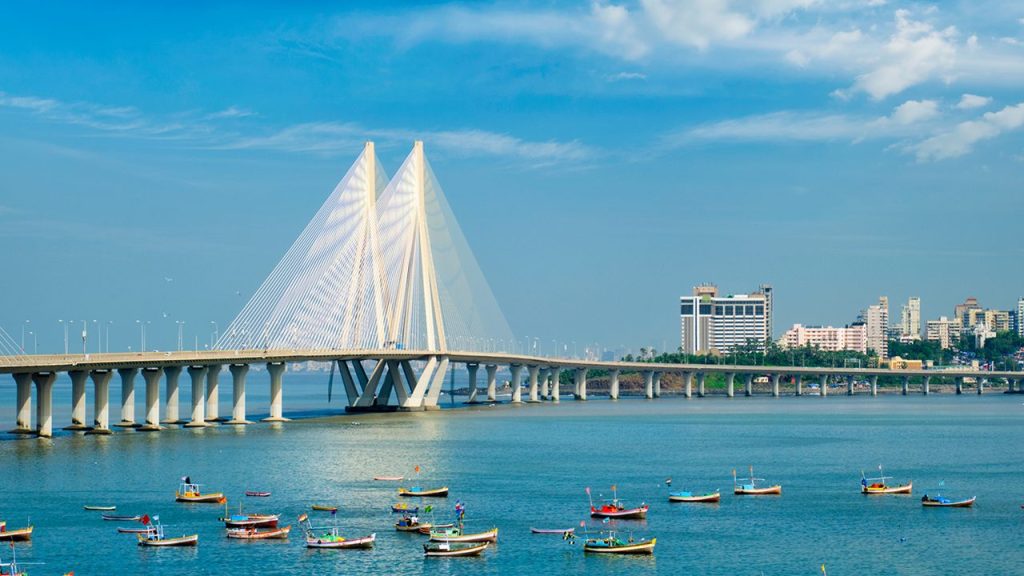
Since it’s early 2026, the Mumbai real estate narrative has shifted dramatically from “Where is the property?” to “How fast can I get there?” With the Coastal Road and MTHL (Atal Setu) now fully integrated into our daily lives, the city is being redefined by the “Connectivity Premium.”
The 20-Minute City: Why 2026 is Redefining Mumbai’s Real Estate DNA
For decades, Mumbai real estate was a game of endurance. We measured value by how close you were to a railway station or the Western Express Highway. But as we move through 2026, the metric has officially shifted from kilometers to minutes.
Thanks to the maturity of “Mega-Infra” projects, we are witnessing a structural shift in how and where Mumbaikars choose to live and invest. Here’s what is driving the market this year:
1. The “Connectivity Premium” is Real
The full operationalization of the Mumbai Coastal Road and Metro Line 3 (Aqua Line) has done more than just ease traffic; it has recalibrated property valuations. Areas like Sewri and Wadala, once considered industrial peripheries, are now “gateway neighborhoods” because they sit at the mouth of the MTHL, cutting the commute to Navi Mumbai to under 20 minutes.
2. The Rise of the “Wellness-First” Home
The post-pandemic demand for space wasn’t a fluke—it was a pivot. In 2026, high-net-worth individuals (HNIs) and Millennials are no longer just buying “apartments”; they are buying integrated ecosystems. * Smart Homes: AI-integrated energy management is now a standard, not a luxury.
• Green Certifications: Sustainable cooling and water-efficient landscaping are now top-three priorities for modern buyers.
3. Micro-Markets to Watch in 2026
If you’re looking at the map, these three pockets are seeing the most significant action:
4. The Shift to RTMI (Ready-To-Move-In)
Buyer sentiment has matured. Nearly 70% of current buyers prefer ready-possession or near-completion homes. With MahaRERA 2.0’s stricter compensation norms, the “trust deficit” is narrowing, but the security of walking into a finished home remains the gold standard for 2026.
The Bottom Line
Mumbai is no longer a “one-center” city. Between the revitalized BKC commercial core and the emerging “Twin City” in Navi Mumbai, the opportunities for capital appreciation are shifting toward these new corridors of movement.
 FALCONRISE VENTURES